
A healthy metabolism is the foundation of effective weight management, consistent energy, hormonal balance, and overall well-being. Many people struggle with slow metabolism without realizing that simple, science-backed lifestyle habits can naturally accelerate it.
This guide breaks down what metabolism really is, why it slows down, and how you can boost it without supplements or extreme diets. Every method below is practical, sustainable, and rooted in real physiology.
What Exactly Is Metabolism?
Metabolism refers to the chemical processes that convert the food you eat into energy. A faster metabolism burns more calories at rest, while a slower one makes it easier to gain weight even when eating less.
Your metabolism is influenced by:
Age
Muscle mass
Hormones
Activity level
Genetics
Sleep and stress
Eating habits
You cannot change your genetics, but you can improve nearly every other factor through daily habits.
1. Increase Protein Intake
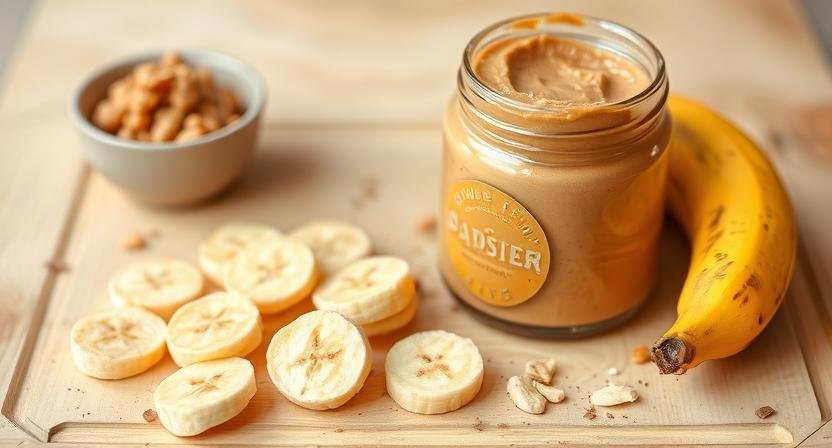
Protein requires more energy to digest compared to fats or carbs. This process, known as the thermic effect of food, can temporarily boost metabolism by 15–30 percent after eating.
Why protein matters:
Helps build and maintain muscle, the biggest metabolism booster
Reduces cravings and keeps you full longer
Supports recovery after workouts
Best protein sources:
Eggs
Chicken, fish, lean meats
Greek yogurt, cottage cheese
Lentils, beans, tofu
Whey or plant-based protein powders
Aim for protein in every meal to keep your metabolism active throughout the day.
2. Stay Hydrated and Drink Enough Water

Hydration is essential for metabolic function. Even mild dehydration can slow metabolic processes.
How water boosts metabolism:
Helps transport nutrients and oxygen
Improves digestion and calorie burning
Supports thermogenesis
Cold water may slightly increase calorie burn because the body uses energy to warm it.
Aim for 2.5–3 liters daily, more if you exercise.
3. Build Muscle Through Strength Training

Muscle is the most metabolically active tissue in the body. The more muscle you have, the more calories you burn—even while resting.
Strength training benefits:
Increases Resting Metabolic Rate (RMR)
Enhances fat loss
Improves hormone balance
Strengthens bones
Most effective methods:
Weight lifting
Resistance bands
Body-weight exercises like squats, push-ups, and lunges
Just 2–4 sessions per week can dramatically improve metabolic speed.
4. Do High-Intensity Interval Training (HIIT)

HIIT is known for its “afterburn effect,” meaning your body continues burning calories even hours after the workout is over.
A simple HIIT routine example:
30 seconds fast
30 seconds slow
Repeat 10–15 rounds
This type of training triggers metabolic adaptations that burn fat faster than steady-state cardio.
5. Improve Your Sleep Quality

Lack of sleep disrupts hunger hormones (ghrelin and leptin) and slows your metabolic efficiency.
How poor sleep affects metabolism:
Increases cravings for high-calorie foods
Reduces calorie burn
Affects insulin sensitivity
Increases stress hormones
Aim for 7–9 hours every night.
Maintain a dark, quiet sleep environment and limit screens before bedtime.
6. Manage Stress Effectively

Chronic stress raises cortisol, a hormone that leads to fat storage—especially around the abdomen—and slows metabolism.
Stress-management techniques:
Deep breathing
Walking outdoors
Meditation
Yoga
Journaling
Time management techniques
Lower stress = better hormonal balance = faster metabolism.
7. Try Green Tea or Coffee (in Moderation)
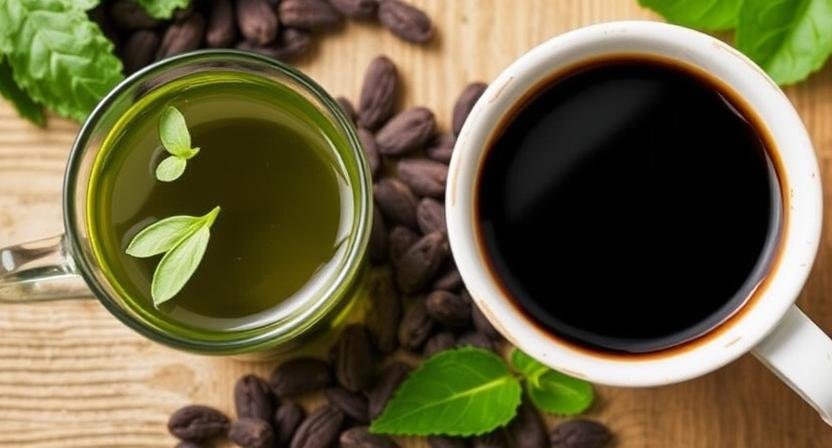
Green tea contains catechins that support fat oxidation. Coffee contains caffeine that stimulates metabolic rate and enhances energy.
Benefits:
Improved alertness
Enhanced calorie burn
Better workout performance
Avoid excessive sugar or cream, which can cancel out the benefits.
8. Avoid Refined Carbs and Sugar

Refined carbs lead to spikes in blood sugar, followed by energy crashes that slow metabolic efficiency.
Common refined carbs:
White bread
Pastries
Sugary snacks
Sweetened beverages
Replacing these with whole grains and fiber-rich options stabilizes blood sugar and supports better metabolic function.
9. Eat at Regular Intervals

Irregular eating can confuse your metabolism. Consistent meal timing helps your body burn calories efficiently.
Tips:
Don’t skip breakfast
Avoid long gaps between meals
Prefer smaller, balanced meals throughout the day
This helps maintain steady energy levels and reduces overeating.
10. Stay Active Throughout the Day

Long hours of sitting can lower calorie burn significantly.
Simple ways to stay active:
Take short walks
Use stairs instead of elevators
Stretch between tasks
Use a standing desk if possible
Even small increases in movement can raise total daily energy expenditure.
Why Metabolism Slows Down
Some factors are natural, but many are lifestyle-driven. Common reasons include:
Loss of muscle due to inactivity
High stress levels
Insufficient sleep
Low-protein diets
Aging
Nutrient deficiencies
Crash diets or prolonged extreme dieting
Fixing these factors can restore your metabolic speed over time.
A Sample Daily Routine for Better Metabolism
Here’s a practical routine to incorporate multiple metabolism-boosting habits:
Morning:
Drink a glass of water
High-protein breakfast
10 minutes brisk walk
Afternoon:
Balanced protein-rich lunch
5–10 minutes movement break every hour
Green tea instead of sugary snacks
Evening:
Strength training or short HIIT session
Protein + fiber dinner
Set a wind-down routine for sleep
Frequently Asked Questions
Is boosting metabolism the same as losing weight?
A faster metabolism helps in weight loss, but sustainable fat loss also depends on diet, sleep, hormones, and stress levels.
Do metabolism boosters work?
Natural methods work consistently. Pills and supplements rarely offer meaningful results.
How long does it take to see results?
Most people notice better energy and lighter digestion in 7–10 days. Visible fat-loss results usually show within 4–8 weeks with consistency.