
Uncategorized

Uncategorized

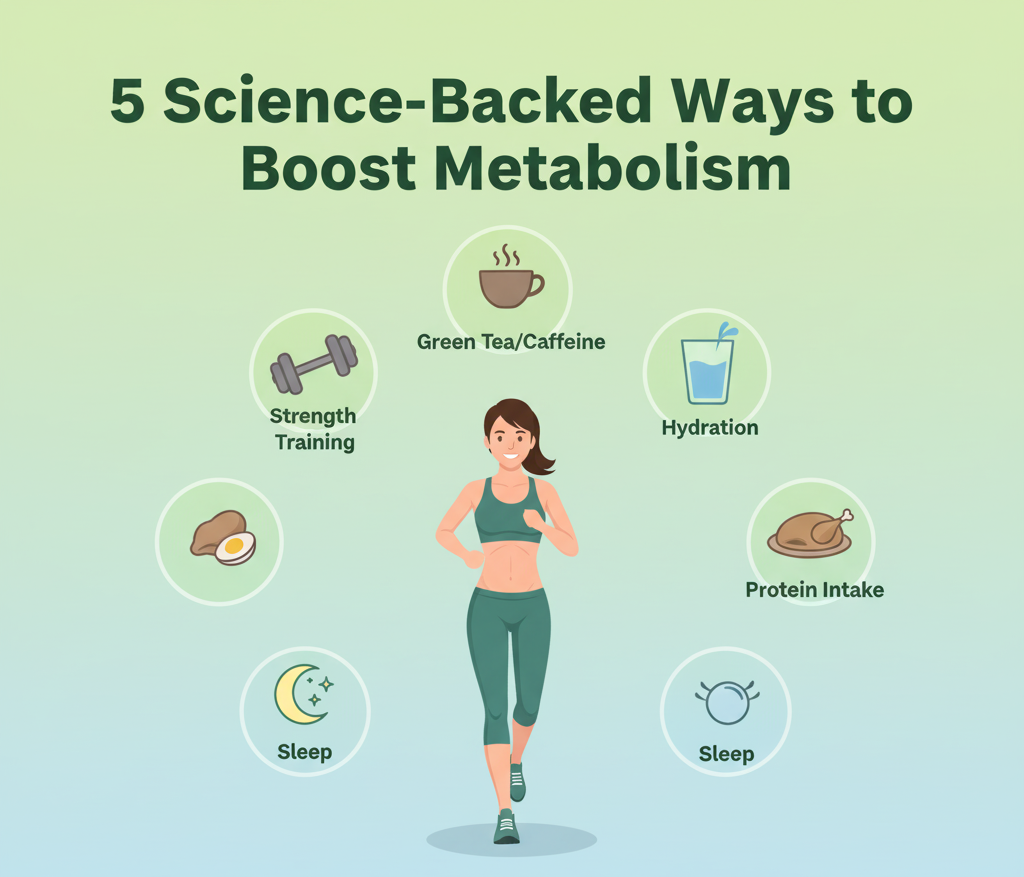
5 Science-Backed Ways to Boost Your Metabolism Naturally

If you have ever tried to lose weight or simply wanted more energy throughout the day, you have probably come across the word metabolism. In simple terms, metabolism is the process by which your body converts what you eat and drink into energy. It is happening 24/7, even while you are sleeping. A faster metabolism means your body burns more calories, making it easier to manage your weight, feel active, and stay healthy. The problem is that many people believe metabolism is something you are born with and cannot change. While genetics do play a role, research clearly shows that there are several natural ways to give your metabolism a noticeable boost. By making a few smart lifestyle choices, you can encourage your body to burn calories more efficiently, which not only supports weight management but also improves overall health. In this article, we will break down five proven, science-backed strategies to increase your metabolism naturally. These are not gimmicks or quick fixes. Instead, they are practical changes you can start applying today to see long-term results. >>>Simple “Drip & Drop” Ritual Burns Belly Fat 3X Faster 1. Strength Training: Building Muscle to Burn More Calories When it comes to boosting metabolism, strength training is one of the most effective methods. The reason is simple: muscle burns more calories than fat, even when you are at rest. Research has shown that every pound of muscle you gain increases your resting metabolic rate, meaning your body becomes more efficient at burning calories throughout the day. Cardio workouts like running and cycling are excellent for burning calories while you exercise, but once you stop, the calorie burn slows down. Strength training, on the other hand, creates a lasting effect. By increasing muscle mass, you raise your daily energy expenditure, even while sitting on the couch or sleeping at night. The science behind it is well established. A study published in the Journal of Applied Physiology found that individuals who engaged in resistance training experienced a significant rise in resting metabolic rate compared to those who did only cardio. If you are new to strength training, you do not need fancy equipment. Bodyweight exercises like push-ups, squats, and planks are enough to start with. As you progress, adding dumbbells or resistance bands can accelerate your results. Aim for at least three strength training sessions per week. 2. Staying Hydrated: Why Water is More Powerful Than You Think It is easy to underestimate the role of water in your metabolism. After all, it seems too simple. Yet multiple studies confirm that proper hydration plays a key role in energy expenditure. Drinking water has been shown to increase metabolism by 24 to 30 percent for about an hour. This effect, called water-induced thermogenesis, means your body burns more calories as it works to warm the water to body temperature. Cold water seems to provide an even stronger boost. In fact, researchers found that drinking half a liter of cold water increased calorie burning by around 25 calories. While this might not sound like much, think about how many glasses of water you drink in a day. Over time, these small increases add up significantly. Beyond boosting metabolism, hydration improves digestion, supports nutrient absorption, and keeps you energized. Dehydration, on the other hand, can make you feel sluggish and slow down calorie burning. A practical tip: start your day with a large glass of water before breakfast, and keep a reusable bottle with you to sip throughout the day. For an extra boost, add a slice of lemon or cucumber to your water for flavor and additional health benefits. 3. Protein-Rich Diet: Turning Food Into a Metabolic Advantage You have probably heard that protein is important for building muscle, but its impact on metabolism is often overlooked. Eating protein increases your metabolic rate through something known as the Thermic Effect of Food (TEF). Simply put, your body uses energy to digest, absorb, and process the nutrients in food. Protein has the highest thermic effect compared to carbohydrates and fats, meaning your body works harder and burns more calories to break it down. According to research, eating protein can temporarily raise metabolism by 15 to 30 percent, while carbs raise it by 5 to 10 percent and fats by only 0 to 3 percent. In addition, protein-rich meals keep you full for longer, reduce cravings, and prevent overeating. Practical sources of protein include eggs, Greek yogurt, legumes, lentils, tofu, cottage cheese, nuts, and seeds. If you follow a vegetarian or vegan diet, beans, lentils, quinoa, and soy products can easily provide the protein your body needs. For best results, aim to include a source of protein in every meal. For example, start your morning with scrambled eggs or overnight oats with chia seeds, have lentil soup or a chickpea salad for lunch, and enjoy grilled paneer or tofu for dinner. >>>Simple “Drip & Drop” Ritual Burns Belly Fat 3X Faster 4. Green Tea and Coffee: Nature’s Metabolism Boosters If you are already a coffee or tea lover, you will be happy to know that your daily cup could be helping your metabolism. Both beverages are rich in compounds that support fat burning and calorie expenditure. Coffee contains caffeine, a natural stimulant that increases calorie burning by activating the nervous system. It has been shown to improve physical performance, enhance focus, and raise metabolic rate by 3 to 11 percent. Green tea, on the other hand, is packed with antioxidants called catechins, particularly epigallocatechin gallate (EGCG). Studies reveal that green tea extract can increase fat oxidation and enhance calorie burning, especially when combined with moderate exercise. A review published in the American Journal of Clinical Nutrition found that green tea can increase daily energy expenditure by about 100 calories. This might not sound dramatic, but over weeks and months, the cumulative effect is noticeable. The key is moderation. Too much caffeine can cause jitters, anxiety, or disrupt your sleep, which in turn can harm your metabolism. One

Uncategorized

5 Common Fat-Loss Mistakes Everyone Makes

Let’s be honest — fat loss is hard. You put in the effort, try every new diet trend, and hit the gym, but the scale barely moves. Frustrating, right? The truth is, most people don’t fail because they’re lazy or lack discipline. They fail because they’re unknowingly making common fat-loss mistakes that block their progress. In this guide, we’ll break down the 5 biggest fat-loss mistakes everyone makes, explain why they ruin your results, and most importantly — show you how to fix them so you can finally see real, lasting progress. Mistake #1: Overeating “Healthy” Foods Here’s a tough truth: just because a food is “healthy” doesn’t mean it’s low in calories. Many people load up on nuts, avocado, olive oil, smoothies, or even protein bars, thinking they’re guilt-free. But calories still matter — even from clean, nutrient-dense foods. Example: A handful of almonds? Great for you. But eat 4–5 handfuls, and you’ve just consumed over 500 calories without realizing it. Why It’s a Problem Fat loss comes down to a calorie deficit. If you eat more calories than you burn — even from healthy foods — you won’t lose fat. The Fix Track your portions. Use a food scale or measuring cups until you can eyeball serving sizes. Don’t demonize foods, but respect calories. An avocado is great, but maybe half an avocado instead of two. Focus on satiety. Choose high-volume foods like veggies, lean proteins, and fruits that keep you full without skyrocketing calories.  Healthy food is great, but calories count. Mistake #2: Relying Only on Cardio Many people think running on the treadmill for hours is the key to fat loss. Cardio definitely burns calories, but it’s not the most efficient long-term strategy. Why It’s a Problem Cardio burns calories only while you’re doing it. Overdoing cardio can increase hunger, making you eat back the calories you burned. Without strength training, you lose muscle along with fat, which slows your metabolism. The Fix Prioritize strength training. Building muscle helps you burn more calories even at rest. Use cardio as a tool, not the main plan. 2–3 moderate cardio sessions per week are enough for heart health and an extra calorie burn. Mix it up. Try interval training (HIIT) to get more calorie burn in less time.  Muscle is your fat-burning engine. Don’t trade it for endless treadmill miles. Mistake #3: Cutting Calories Too Low This is a mistake almost everyone makes at least once. You think: “If eating less makes me lose weight, then eating way less will make me lose it faster.” Not so fast. Why It’s a Problem Extreme diets slow down your metabolism. You feel drained, cranky, and hungry all the time. Eventually, you binge — undoing weeks of hard work. Long-term, your body adapts by burning fewer calories, making fat loss harder. The Fix Aim for a moderate deficit. Cutting 300–500 calories per day is enough to see results without starving yourself. Fuel with protein. Eating enough protein keeps you full, protects muscle, and helps your metabolism. Play the long game. Remember, sustainable fat loss is about consistency, not punishment.  If your diet feels like torture, you won’t stick to it. Balance is better than extremes. Mistake #4: Ignoring Sleep and Stress Fat loss isn’t just about food and exercise — your body also needs proper recovery. Many people overlook sleep and stress, and it wrecks their progress. Why It’s a Problem Lack of sleep increases hunger hormones (ghrelin) and decreases satiety hormones (leptin). Translation: you crave junk food. Stress raises cortisol, which makes fat loss harder (especially belly fat). Tired people move less, make poor food choices, and struggle to stay consistent. The Fix Prioritize 7–9 hours of quality sleep. Treat it like a non-negotiable. Manage stress. Try meditation, journaling, or even a 10-minute walk outside. Create a wind-down routine. Limit screens before bed, keep your room cool and dark, and stick to a schedule.  Sleep and stress management are fat-loss superpowers. Don’t skip them. Mistake #5: Expecting Quick Results This might be the biggest fat-loss mistake of all: expecting instant results. We live in a world of 7-day cleanses and 30-day challenges. But real fat loss doesn’t work like that. Why It’s a Problem Unrealistic expectations lead to frustration and quitting. Rapid weight loss often means losing water and muscle, not fat. The faster you lose, the faster you usually regain. The Fix Set realistic goals. Aim for 1–2 pounds of fat loss per week. Track progress beyond the scale. Notice your energy, clothes fitting better, and body measurements. Celebrate small wins. Every healthy choice adds up.  Fat loss is a journey, not a sprint. Slow progress is still progress. Thoughts Losing fat isn’t about punishing yourself — it’s about making smarter choices. Most people struggle because they repeat the same mistakes: overeating “healthy” foods, doing endless cardio, cutting calories too low, ignoring sleep and stress, or expecting overnight results. The good news? Once you recognize these mistakes, you can fix them. Focus on portion control Strength train consistently Eat in a moderate deficit Prioritize sleep and stress management Be patient and consistent Do that, and not only will the fat come off — it’ll stay off.

Uncategorized

Discovering the Benefits of Fitnwell for Your Health Journey

What is Fitnwell? Fitnwell is a holistic approach to health and wellness, designed to cater to individuals seeking a balanced lifestyle. It encompasses various aspects, from fitness routines and nutritional guidance to mental well-being. This comprehensive system aims to transform your health aspirations into achievable outcomes. The Importance of a Balanced Lifestyle In today’s fast-paced world, maintaining a balanced lifestyle can often feel overwhelming. Fitnwell provides tools and resources to streamline this process. By integrating structured fitness plans and easy-to-follow meal prep ideas, you will notice improvements in both physical health and mental clarity. Achieving balance is crucial, and Fitnwell acts as your supportive guide in this endeavor. Getting Started with Fitnwell To begin your journey with Fitnwell, start by assessing your current lifestyle and identifying areas for improvement. Set realistic goals, whether they involve increasing your physical activity or enhancing your diet. You can utilize Fitnwell’s numerous platforms, offering various programs tailored to different fitness levels and preferences. Remember, this journey is about progress, not perfection.

Uncategorized

Discover the Benefits of Fitnwell: A Healthier You Awaits

What is Fitnwell? Fitnwell is more than just a fitness program; it’s a holistic approach to wellness designed for individuals seeking a balanced and healthy lifestyle. By integrating physical fitness, nutritional guidance, and mental well-being, Fitnwell provides a comprehensive solution for your journey toward a healthier life. Why Choose Fitnwell? Choosing Fitnwell means prioritizing your health and well-being. This program caters to a variety of fitness levels, making it accessible for everyone. Whether you’re a beginner or an experienced fitness enthusiast, Fitnwell offers tailored plans that can help you meet your specific health goals. With a community of supportive individuals, the motivation to stay on track is always present. Getting Started with Fitnwell Getting started with Fitnwell is straightforward. Begin by assessing your health and fitness goals, which will help in customizing your plan. You can choose from various workout routines, meal plans, and wellness tips, all provided to ensure that you have the resources needed for success. Additionally, the flexible nature of Fitnwell allows you to adapt your plan as you progress, ensuring that you continuously challenge yourself and maintain engagement.

Scroll to Top