Let’s be honest — the moment someone says “You have to stop eating sweets to lose weight,” our motivation drops instantly. But what if science says otherwise? What if you could eat your favorite dessert and still watch the scale go down? Sounds impossible? Let’s break it down.
Completely cutting desserts can actually backfire. When you restrict something you love, your brain starts craving it even more. This leads to overeating later — a phenomenon called “the rebound effect.”
So, instead of banning desserts, the real trick is learning to control and balance them.
2. The Psychology Behind Guilt-Free Eating
When you eat a small portion of dessert mindfully — slowly, without guilt — your brain releases satisfaction hormones like serotonin and dopamine. This reduces future cravings and helps you stick to your diet longer.
Researchers at Cornell University found that people who ate small dessert portions regularly were more consistent with their fitness goals than those who avoided sweets completely.
3. Smart Ingredient Swaps
Here’s where science meets sweetness: You can make desserts work for your body, not against it.
Try these simple swaps:
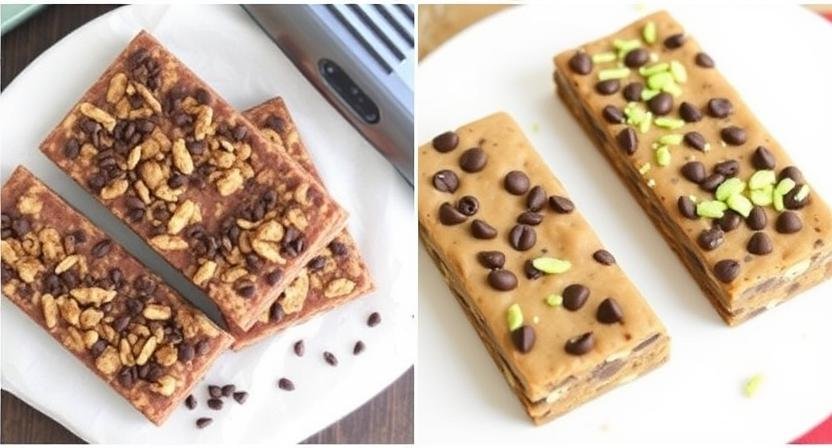
Replace sugar with honey, dates, or stevia.
Use Greek yogurt instead of cream for protein.
Switch refined flour for oats or almond flour.
Add dark chocolate (rich in antioxidants) instead of milk chocolate.
Each change reduces calories and adds nutrients — so your dessert becomes fitness-friendly.
4. The 80/20 Rule for Dessert Lovers
You don’t need perfection to lose fat — you need consistency. Follow the 80/20 rule:
80% of the time — eat clean and balanced meals.
20% of the time — enjoy your treats guilt-free.
This keeps your metabolism healthy, your mood positive, and your willpower strong.
5. Timing Matters
Eating dessert right after a meal can reduce sugar spikes. Why? Because when your stomach already has protein, fiber, and fat, the dessert’s sugar enters your bloodstream more slowly — keeping insulin levels stable.
So next time, enjoy your dessert after lunch or dinner, not as a snack on an empty stomach.
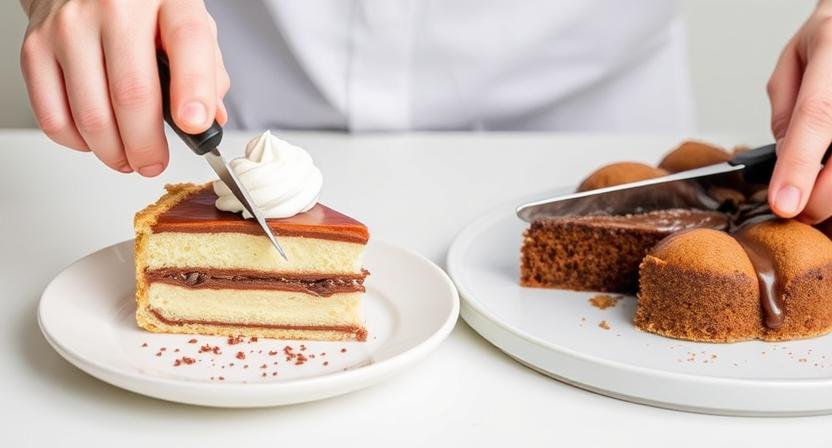
You can eat cake and still lose weight — if you know your portion size. A small slice or 2-3 bites are enough to satisfy your cravings. Use a small plate trick — it visually looks more filling but keeps calories under control.
7. The Thermic Effect of Food (TEF)
Here’s something most people don’t know: Your body burns energy just to digest food — called the Thermic Effect of Food. If your dessert includes protein or fiber (like Greek yogurt or oats), your body burns more calories digesting it than a sugar-only sweet.
So, add a little protein twist to your dessert and you’re literally burning while eating.
8. Mindful Eating = Faster Results
The simple act of slowing down while eating can boost digestion and reduce calorie intake by up to 20%, according to Harvard research. So next time, put away your phone, take a deep breath, and really taste your dessert. You’ll feel satisfied sooner — and eat less.
Sweet Balance Wins
Losing weight doesn’t mean punishing yourself. It means building a sustainable lifestyle you enjoy. Desserts are not the enemy — overconsumption is.
When you learn to: ✅ Eat mindfully ✅ Choose smarter ingredients ✅ Control portions ✅ Follow the 80/20 rule
You can have your cake and lose weight too.
So go ahead — take that bite, enjoy it fully, and smile knowing science is on your side. 🍰💪