
Are you dedicated to your weight loss journey, meticulously choosing ‘healthy’ options, yet seeing zero results on the scale? It’s a frustrating loop, but here’s the shocker: the problem might not be your effort, but those seemingly ‘healthy foods’ you rely on every day.
Clever marketing often disguises high-sugar, high-calorie products as essential parts of a healthy diet. These items are packed with hidden calories and ingredients that mess with your metabolism and lead to stubborn fat gain.
It’s time to expose the culprits. Here are 5 common foods you need to reconsider if you want to finally shed those extra pounds.
1. Granola and Cereal (The Breakfast Sugar Bomb)
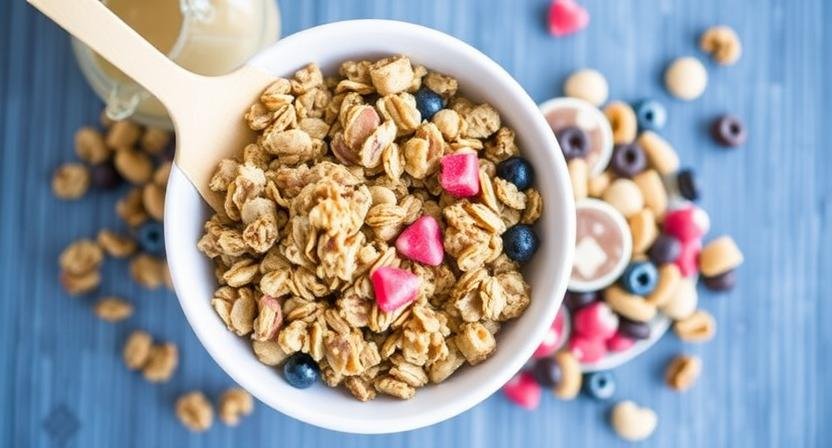
You might think a bowl of Granola or a ‘fiber-rich’ cereal is the perfect start to your day. Think again.
Most commercial granolas and popular breakfast cereals are essentially desserts in a box, loaded with excess sugar and cheap oils. You get a huge dose of empty calories for very little actual nutrition.
The Trap: The high sugar content spikes your insulin levels, giving you a quick burst of energy followed by a crash. This crash triggers intense cravings, causing you to eat more throughout the day.
Pro Tip: Always read the label! If sugar, honey, or corn syrup is listed among the first three ingredients, put it back. Opt for plain rolled oats or muesli and sweeten it yourself with a few fresh berries.
2. Low-Fat Dairy Products (A False Sense of Security)
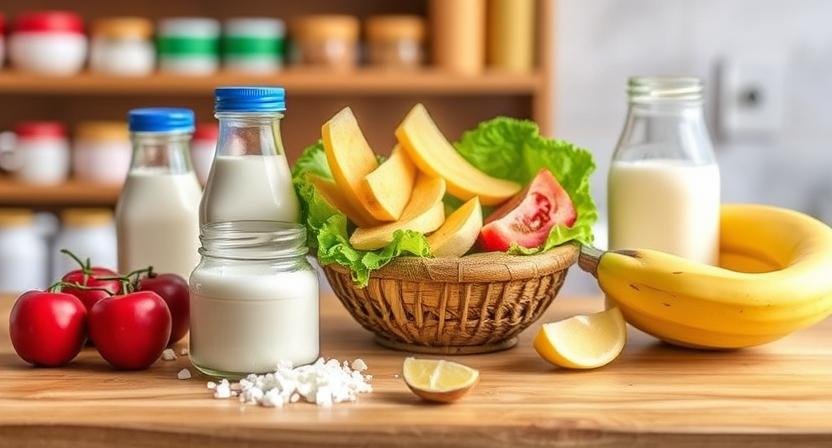
In the quest to cut down on dietary fat, many people reach for low-fat yogurt or skim milk. This is one of the biggest diet mistakes you can make.
When food companies remove the natural fat from dairy, they have to replace it with something to maintain flavor and texture. That replacement is almost always sugar or artificial sweeteners. This added sugar can be far more damaging to your waistline than natural dairy fat.
The Trap: Fat is what keeps you feeling full and satisfied (satiety). Removing it, and adding sugar, turns your healthy snack into a sugary dessert that contributes to blood sugar chaos and fat storage.
Pro Tip: Choose plain, full-fat dairy. The natural fats slow down sugar absorption, keep you satiated longer, and often contain less sugar overall than their ‘light’ counterparts.
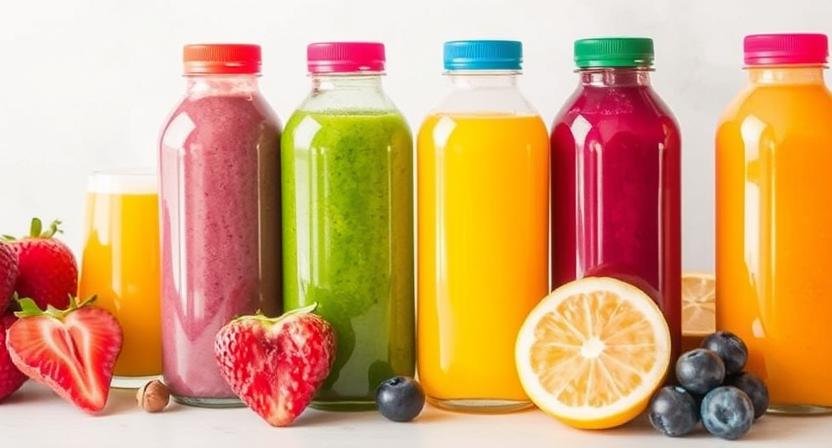
3. Packaged Fruit Juices and Smoothies (The Missing Fiber Problem)

Freshly squeezed juice sounds healthy, but when you buy packaged fruit juice or pre-made smoothies, you are consuming little more than liquid sugar.
The juicing process strips the fruit of its essential fiber. Fiber is crucial because it helps slow down the absorption of fructose (fruit sugar) into your bloodstream.
The Trap: Without fiber, the sugar hits your system hard and fast, often leading to it being stored as fat. Plus, these liquid calories don’t trigger the same fullness cues as solid food, meaning you drink a lot without feeling satisfied.
Pro Tip: Always eat the whole fruit. If you make a smoothie, load it with greens (spinach, kale) and protein powder to slow down the sugar spike
4. Bottled Salad Dressings (Turning Healthy into High-Calorie)
Eating a salad is synonymous with weight loss, right? It is, unless you drown it in store-bought dressing.
Most bottled salad dressings are filled with unhealthy vegetable oils (like soybean or canola), lots of added sugar, high-fructose corn syrup, and artificial ingredients. Just two tablespoons can add hundreds of hidden calories to your otherwise healthy meal.
The Trap: Your attempt at a healthy meal is quickly derailed by the excess fats and sugars hidden in the dressing, turning your salad into a high-calorie burden.
Pro Tip: Stick to simple, homemade dressings: extra virgin olive oil, lemon juice, and vinegar. Keep it clean and simple.
5. Protein Bars and Energy Bars (Candy Bars in Disguise)
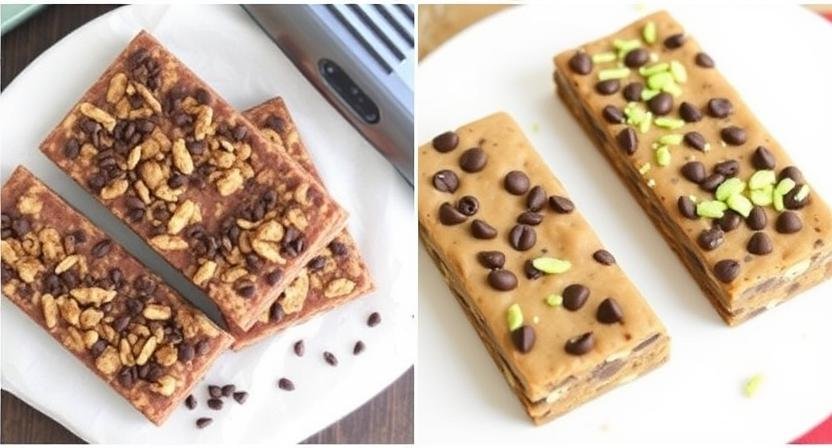
For those on the go, Protein Bars and Energy Bars are convenient snacks. However, read the labels carefully—many of these bars are essentially glorified candy bars masquerading as health food.
They often contain more sugar and processed ingredients than actual protein and fiber. Many are specifically designed to taste good, prioritizing flavor over nutrition.
The Trap: These bars may satisfy a craving, but their high sugar and fat content often contribute to calorie surplus and fat gain, negating the benefits of the small amount of protein they provide.
Pro Tip: Prioritize protein bars with less than 5 grams of sugar and at least 10 grams of protein. Better yet, stick to whole food snacks like an apple with nuts and seeds.
Achieving sustainable weight loss isn’t about eating less; it’s about eating smarter. Now that you’ve identified these common diet mistakes, you are empowered to make informed food choices and take control of your weight loss journey. Stop letting clever marketing derail your progress!
Don’t wait!