
Intermittent fasting has become one of the most popular strategies for fat loss, and among all its variations, the 16:8 method stands out as one of the simplest and most sustainable. It does not require complicated meal plans or extreme calorie cuts. Instead, it focuses on when you eat rather than what you eat. For people who want steady fat loss without giving up their favorite foods, the 16:8 method can feel surprisingly natural.
This blog explains what the 16:8 fasting method is, how it works for fat loss, who can benefit from it, and how you can start safely.
What Is the 16:8 Intermittent Fasting Method
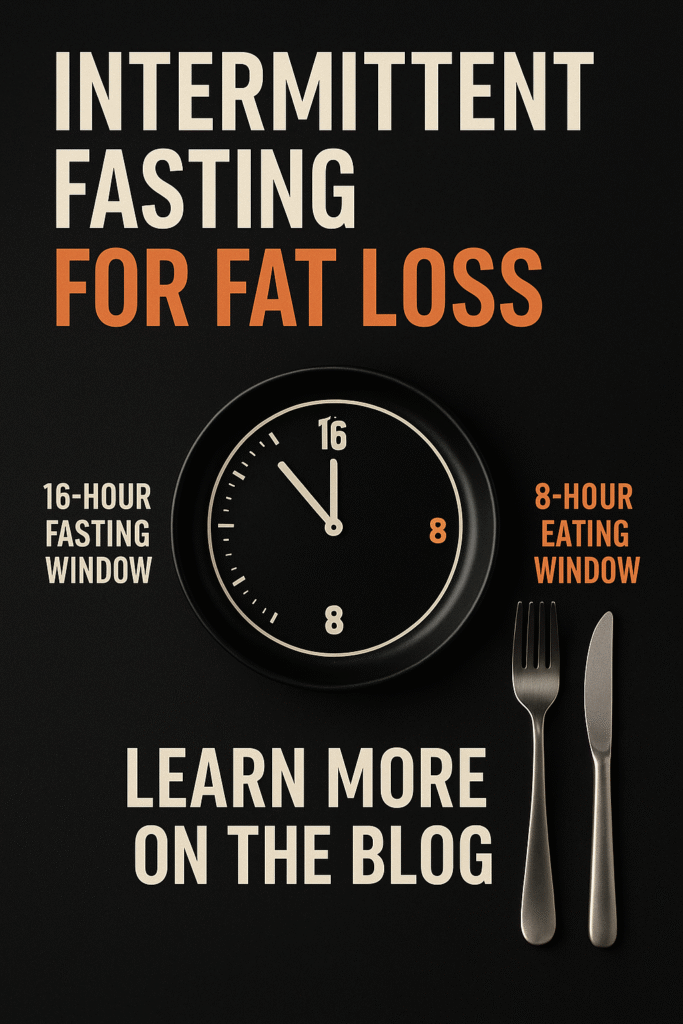
The 16:8 method divides your day into two windows:
Fasting Window: 16 hours
Eating Window: 8 hours
During the 16 hours of fasting, you consume zero calories. Water, black coffee, green tea, and herbal teas are allowed.
During the 8-hour eating window, you eat your regular meals.
Example schedule:
Eating window: 12 PM to 8 PM
Fasting window: 8 PM to 12 PM next day
This pattern aligns well with the body’s natural circadian rhythm, making it easier to maintain long-term.
How Intermittent Fasting Supports Fat Loss

The effectiveness of the 16:8 method is not magic. It works through clear scientific mechanisms that influence hormones, metabolism, and eating behavior.
1. Lower Insulin Levels
Insulin is a hormone that stores fat. When you stop eating for long periods, insulin levels naturally drop. Low insulin allows the body to switch from burning glucose to burning stored fat for energy. This transition is one of the biggest reasons people lose fat faster with intermittent fasting.
2. Controlled Calorie Intake
Fasting reduces the number of hours you have available to eat, and most people naturally consume fewer calories without intentionally dieting. This calorie reduction contributes directly to fat loss while still allowing satisfying meals.
3. Better Human Growth Hormone Response
Fasting boosts human growth hormone (HGH), a hormone that supports muscle preservation and fat metabolism. Higher levels of HGH help the body access and burn fat more efficiently during the fasting window.
4. Reduced Snacking and Late-Night Eating
Late-night eating is one of the biggest contributors to weight gain. The 16:8 method eliminates this habit because the eating window ends earlier in the evening.
5. Improved Metabolic Flexibility
Over time, your body becomes better at switching between using food energy and stored fat energy. This flexibility helps with sustained fat loss and improved energy levels throughout the day.
Benefits of the 16:8 Method Beyond Fat Loss

While fat loss is the primary goal for many people, the 16:8 method offers several additional health benefits.
Better Digestion
Your digestive system gets a long break every day, reducing bloating and improving gut health.
Enhanced Mental Clarity
Many people report sharper focus during fasting hours due to stable blood sugar levels.
Lower Inflammation
Fasting can reduce inflammatory markers, supporting better overall health.
Improved Blood Sugar Regulation
Intermittent fasting helps the body use insulin more effectively, which can be helpful for pre-diabetic individuals.
Supports Long-Term Weight Management
Unlike strict diets, intermittent fasting is simple and sustainable, making it easier to maintain long-term results.
Who Should Try the 16:8 Method
The 16:8 method is suitable for:
• Individuals looking for a simple weight-loss strategy
• People who overeat at night
• Individuals struggling with portion control
• Busy professionals who prefer fewer meals
• Anyone who wants to improve metabolic health
Who Should Avoid It
Intermittent fasting may not be suitable for everyone. Avoid or consult a doctor if you are:
• Pregnant or breastfeeding
• Diabetic or taking blood sugar medication
• Underweight or prone to eating disorders
• Someone with medical conditions that require frequent meals
Safety should always come first.
How to Start the 16:8 Method
Step 1: Choose Your Eating Window
Select an 8-hour window that fits your lifestyle. Popular options are:
• 10 AM to 6 PM
• 12 PM to 8 PM
• 11 AM to 7 PM
Pick a schedule you can maintain daily.
Step 2: Stay Hydrated
Drink water regularly during fasting hours to avoid hunger and maintain energy.
Step 3: Break Your Fast Wisely
Start with a balanced meal that includes:
• Protein (eggs, chicken breast, lentils)
• Healthy fats (nuts, avocado)
• Whole grains or vegetables
Avoid breaking your fast with sugary or refined foods.
Step 4: Keep Meals Balanced
Intermittent fasting is not a license to overeat. Aim for:
• Lean proteins
• Whole foods
• Fiber-rich vegetables
• Healthy fats
• Limited processed snacks
Step 5: Be Consistent
Your body needs time to adapt. Expect noticeable changes after 2 to 4 weeks.
Sample Daily Plan for the 16:8 Method
Eating Window: 12 PM to 8 PM
12:00 PM (Lunch)
Protein-rich meal with vegetables and whole grains.
3:30 PM (Snack)
A handful of nuts or yogurt.
7:00 PM (Dinner)
Balanced meal with lean protein, healthy fats, and vegetables.
8:00 PM
Eating window closes.
During fasting hours, stick to water, black coffee, or unsweetened tea.
Common Mistakes to Avoid
Overeating During the Eating Window
This cancels the calorie deficit. Focus on portion control.
Eating Too Much Junk Food
Intermittent fasting works best when combined with whole, nutrient-dense foods.
Not Drinking Enough Water
Dehydration can cause headaches and unnecessary hunger.
Expecting Instant Results
Fat loss takes time and consistency. Give your body a few weeks to adjust.
Sleeping Too Late
Poor sleep disrupts hormones and slows fat loss. Maintain a regular sleep schedule.
How Long Does It Take to See Results
Most people begin noticing:
• Reduced bloating within 3 to 5 days
• More energy within 1 to 2 weeks
• Fat loss within 3 to 6 weeks
Results vary based on diet, sleep, lifestyle, and consistency.