




One Change in Your Daily Routine That Burns 300 Extra Calories Without Exercise

If someone told you that you could burn 300 extra calories every day without hitting the gym or changing your diet, you’d probably think it’s a gimmick. But it’s not. In fact, research has proven that the way you move and behave throughout the day has a far bigger impact on your metabolism than most people realize.

The secret lies in a simple, often overlooked concept called Non-Exercise Activity Thermogenesis (NEAT) — the energy your body burns during normal daily activities like walking, cleaning, standing, or even fidgeting. By making one small tweak to your daily routine, you can significantly increase your NEAT levels and create a calorie-burning snowball effect that supports long-term fat loss.

Let’s uncover what that one powerful change is — and how you can start using it today.

The One Change: Walk After Every Meal

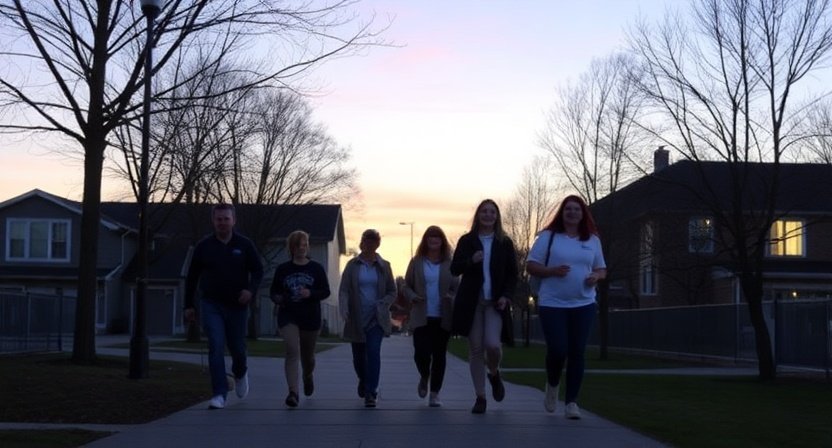
Yes, it’s that simple. Just walking for 10 minutes after every meal can help you burn up to 300 extra calories per day — depending on your weight and pace.

At first glance, this may sound too easy to be effective. But the truth is, post-meal walks don’t just burn calories; they also help your body process food more efficiently, stabilize blood sugar, and prevent fat storage.

Here’s why it works so well:

  1. Boosts Digestion: Walking right after eating helps move food smoothly through your digestive tract. It reduces bloating and prevents the sluggish “food coma” feeling.

  2. Improves Blood Sugar Control: A short walk after meals helps your muscles absorb glucose more effectively, which lowers insulin spikes and fat storage.

  3. Activates Fat-Burning: Light physical activity signals your body to use stored fat for energy instead of storing more.

  4. Improves Consistency: Unlike gym workouts that require extra time and motivation, walking after meals fits naturally into your routine — making it easy to stick to.

The Science Behind It

A study published in Diabetologia found that people who took short, 10-minute walks after meals had significantly lower blood sugar levels compared to those who walked for 30 minutes once a day.

Why? Because breaking movement into smaller, regular sessions helps your metabolism stay active throughout the day.

If you eat three meals daily and walk 10–15 minutes after each, that’s 30–45 minutes of walking per day, which equals roughly 250–300 calories burned — without stepping foot in a gym.

Over time, that small effort adds up.

  • 300 calories/day = 2,100 calories/week

  • 2,100 calories/week ≈ 1 kg fat loss every 3–4 weeks (without dieting)

Now imagine doing this for a year — that’s nearly 10–12 kg of fat gone, just from one habit.

How to Add This Change into Your Daily Life

1. After Breakfast – Morning Reset Walk
Instead of rushing to work or sitting down after eating, step outside for a 10-minute brisk walk. It wakes you up, aids digestion, and sets the tone for an active day.

2. After Lunch – Midday Energy Boost
Lunch walks are great for beating afternoon tiredness. Walk around your building, climb stairs, or stroll outdoors if possible. It recharges your energy and prevents post-lunch fatigue.

3. After Dinner – Metabolic Cooldown
Walking after dinner is one of the most effective ways to support fat loss. Your body is less likely to store calories as fat and more likely to use them as energy.

The Psychology Behind This Simple Habit

The beauty of this routine lies in its simplicity. You’re not overhauling your diet, forcing yourself into intense workouts, or restricting yourself. Instead, you’re stacking a small, effortless action on top of something you already do — eating.

Psychologically, this makes it easier to sustain. Your brain loves habits that don’t require major effort or extra planning. That’s why walking after meals quickly becomes automatic — and once it’s automatic, the fat loss becomes consistent.

Real-Life Example

Take Ankit, a 28-year-old office worker who struggled with weight gain despite eating “healthy.” He began walking for 10–12 minutes after each meal. Without changing his diet or joining a gym, he lost 5 kg in three months.

His energy improved, digestion felt lighter, and he no longer experienced sugar crashes in the afternoon. That’s the silent power of NEAT — small actions repeated daily that compound over time.

Why This Works Better Than Long Workouts

Traditional workouts, like running or gym sessions, are excellent for fitness — but they’re often hard to maintain consistently. Plus, if you spend the rest of the day sitting, the overall calorie burn still remains low.

In contrast, walking after meals keeps your metabolism active throughout the day, preventing the “metabolic slowdown” that often happens after long sitting hours.

Even better, you don’t need to change clothes, find equipment, or block extra time. It’s a natural extension of your day — something you can do anywhere, anytime.

Mistakes to Avoid

  1. Walking too soon: Wait 5–10 minutes after eating before you start walking to avoid indigestion.

  2. Walking too fast: Keep it light and comfortable; it’s not a cardio session.

  3. Skipping consistency: One long walk won’t help much — it’s the daily routine that brings real results.

Small Steps, Big Impact

Losing weight doesn’t always require intense diets or expensive gym memberships. Sometimes, all it takes is one intentional change — like walking after your meals.

By adding this simple habit, you’ll burn 300 extra calories daily, stabilize blood sugar, improve digestion, and build a metabolism that naturally supports fat loss.

It’s the easiest, most sustainable way to stay lean — and it fits perfectly into your lifestyle.

So the next time you finish eating, don’t sit down. Take a few steps instead. Your future self will thank you for it.

  • All Posts
Load More

End of Content.

1 thought on “One Change in Your Daily Routine That Burns 300 Extra Calories Without Exercise”

  1. Pingback: 7 Healthy Foods That Are Secretly Sabotaging Your Weight Loss – fitnwell

Leave a Comment

Your email address will not be published. Required fields are marked *

Scroll to Top