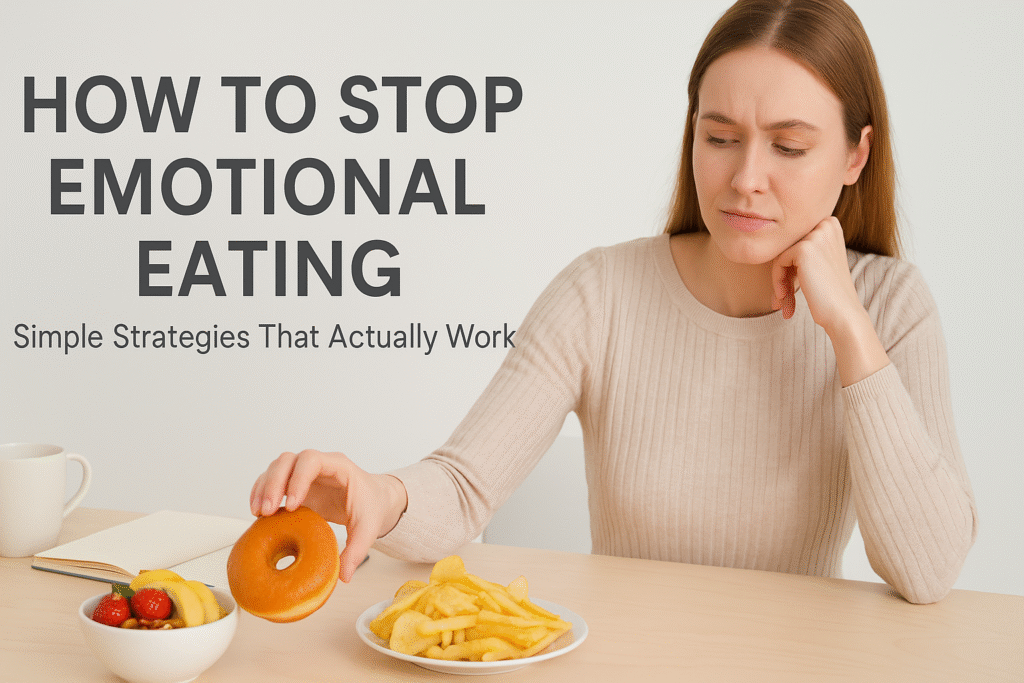
How to Stop Emotional Eating: Practical Strategies That Truly Work
Emotional eating is one of the biggest hidden obstacles in any weight-loss or healthy-living journey. Many people do not overeat because of hunger; they eat because of stress, loneliness, boredom, anxiety, celebration, or simply habit. The problem is that emotional eating provides only temporary comfort, while long-term it leads to guilt, weight gain, and more stress. The good news is that emotional eating is not a lack of discipline. It is a learned pattern, and like any habit, it can be changed with the right strategies. This guide will help you understand emotional eating and give you practical tools to break the cycle. 87% Of Overweight People Have No Idea This Fat Burning Solution Exists! What Is Emotional Eating? Emotional eating is when you eat in response to your feelings rather than your physical hunger. It often happens suddenly, usually includes cravings for specific comfort foods such as sweets, fried foods, or snacks, and never results in actual satisfaction. Instead, it ends with guilt and regret. Understanding this is the first step to controlling it. What Is Emotional Eating? There are several reasons emotional eating happens: 1. Stress and Cortisol High stress triggers the hormone cortisol, which increases cravings for quick energy foods. This is why stress often makes you reach for sugar or junk food. 2. Habit Loops If you regularly eat while feeling bored or anxious, your brain connects food with emotional relief. Over time, this becomes an automatic reaction. 3. Childhood Conditioning Many people were rewarded with treats or comforted with food as children. The brain still responds to those old patterns. 4. Lack of Coping Tools When emotions build up and there is no outlet, food becomes the easiest escape. Signs You Are Emotionally Eating You eat even when you are not hungry You crave specific comfort foods You eat to relieve stress, sadness, anger, or boredom Eating feels urgent and uncontrollable You feel guilty after eating If any of these feel familiar, you may be using food for emotional relief. How to Stop Emotional Eating: Actionable Strategies Here are practical steps you can start using today to break the emotional eating cycle: 1. Identify Your Triggers Start by tracking when emotional hunger appears. Note the time, emotion, and situation. Patterns will start to show.Common triggers include stress, loneliness, nighttime boredom, arguments, or deadlines. Once you know the trigger, you can manage it before it leads to eating. 2. Pause Before Eating Create a “10-minute pause rule.”When you feel the urge to eat, wait for ten minutes. During this pause: Drink a glass of water Take slow breaths Move away from the kitchen Most emotional cravings fade if you give them time. 3. Use Non-Food Coping Alternatives Replace emotional eating with healthier coping strategies such as: Taking a short walk Journaling your thoughts Listening to calming music Calling a friend Stretching or deep breathing Your brain needs new ways to handle emotions. These alternatives retrain your system for long-term control. 4. Build Structured Eating Habits Irregular meals increase emotional cravings.Try these habits: Eat balanced meals at regular times Focus on protein, fibre, and healthy fats Avoid long gaps between meals Stable blood sugar reduces mood swings and lowers the urge for emotional snacking. 5. Keep Trigger Foods Out of Easy Reach If certain foods cause binge episodes, avoid buying them frequently or keep them out of sight. When food is less accessible, emotional eating becomes less automatic. 6. Practice Mindful Eating Slow down when you eat. Notice the flavours, textures, and smell.Mindful eating helps you recognize true hunger and identify emotional cravings early. 7. Manage Stress Proactively Stress is the number one driver of emotional eating.Add stress-reducing habits into your day: Meditation Exercise Spending time outdoors Organizing your tasks Prioritizing sleep A calm mind reduces emotional hunger dramatically. 8. Allow Yourself Occasional Treats Stopping emotional eating does not mean eliminating all comfort foods.Restrictive diets create more cravings. Instead, allow controlled, guilt-free treats. This builds a healthier relationship with food. 9. Seek Support When Needed If emotional eating feels overwhelming, consider talking to a therapist, nutrition coach, or support group. Guidance can help change deeply rooted patterns faster. Emotional eating does not make you weak. It is simply an unhealthy coping mechanism that can be replaced with better, more supportive habits. With self-awareness, patience, and the right tools, you can regain control over your eating patterns and build a healthier, more balanced life. Small, consistent changes will bring long-term transformation. Start with one habit today. Reset your metabolism in 21 days with this proven system →